Is Oatmeal Good for Weight Loss? Here’s the Balanced Answer
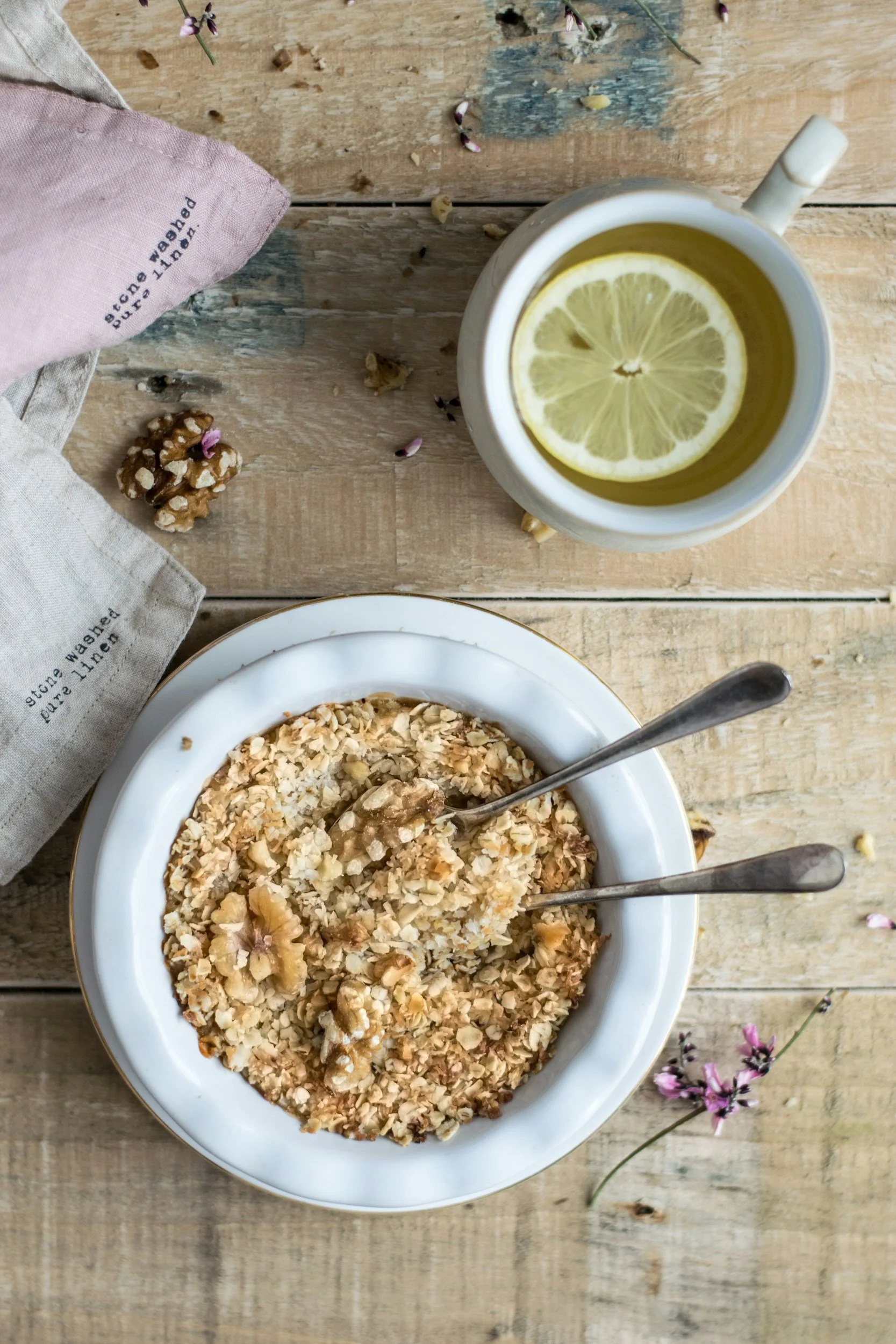
Yes — oatmeal can be good for weight loss when it’s prepared and portioned in a way that keeps you full and satisfied. Oatmeal is high in fiber and can be very filling, but toppings and portion size make a big difference. Here’s how oatmeal fits into a balanced, weight-loss-friendly way of eating — and when it might not.
Why oatmeal can support weight loss
Oatmeal is often recommended for weight loss because it has several qualities that help with fullness and consistency.
High in fiber. Oats contain soluble fiber, which slows digestion and helps you feel full longer.
Satisfying and warm. Many people find warm foods more filling and comforting, which can reduce snacking later.
Easy to customize. Oatmeal pairs well with protein and fruit, making it easy to build a balanced meal.
Simple and familiar. Foods you enjoy and recognize are easier to stick with long term.
When oatmeal is prepared thoughtfully, it can be a very supportive choice.
When oatmeal is a good choice for weight loss
Oatmeal tends to work best when it’s part of a balanced meal rather than eaten plain or overloaded with extras.
Oatmeal can be a good option if:
You want a filling breakfast
You prefer warm, comforting foods
You pair it with protein or healthy fats
You enjoy oatmeal and don’t feel restricted eating it
Enjoyment matters — sustainable choices work better than “perfect” ones.
When oatmeal may not help with weight loss
Oatmeal itself isn’t the issue — how it’s prepared matters most.
Oatmeal may work against weight loss if:
Portions are very large
It’s loaded with sugar, syrups, or heavy toppings
It’s eaten mostly on its own without protein
It leaves you hungry shortly after eating
This doesn’t mean you should avoid oatmeal — it just means balance matters.
How much oatmeal is best for weight loss?
For most people, a reasonable portion is about ½ cup of dry oats (which becomes about 1 cup cooked).
That amount:
Provides fiber and energy
Keeps portions balanced
Leaves room for protein and toppings
You don’t need to measure perfectly — just aim for a moderate bowl that fits your hunger level.
How to make oatmeal more filling
If oatmeal doesn’t keep you full, small adjustments can make a big difference.
Ways to boost oatmeal’s staying power:
Add protein (Greek yogurt, protein powder, milk, or eggs)
Include healthy fats (nut butter, seeds)
Top with fiber-rich fruit (berries, apples)
Balanced oatmeal is much more satisfying than plain oats alone.
Instant oats vs rolled oats vs steel-cut oats
All types of oats can fit into a weight-loss plan.
Rolled oats: A good balance of convenience and texture
Steel-cut oats: Chewier and slower to digest for some people
Instant oats: Fine in moderation, especially if unsweetened
The “best” type is the one you enjoy and will actually eat consistently.
Balanced alternatives to oatmeal
If oatmeal doesn’t work for you, these options can be just as supportive:
Greek yogurt with fruit
Eggs with toast or fruit
Cottage cheese
Smoothies with protein and fiber
Different breakfasts work for different people — balance means options.
The balanced takeaway
Oatmeal can be good for weight loss
Portion size and toppings matter more than the oats themselves
Oatmeal works best when paired with protein and fiber
Weight loss doesn’t require cutting out comforting foods — it works best when your meals feel satisfying and realistic.