Is Cheese Bad for Weight Loss? Here’s the Balanced Answer
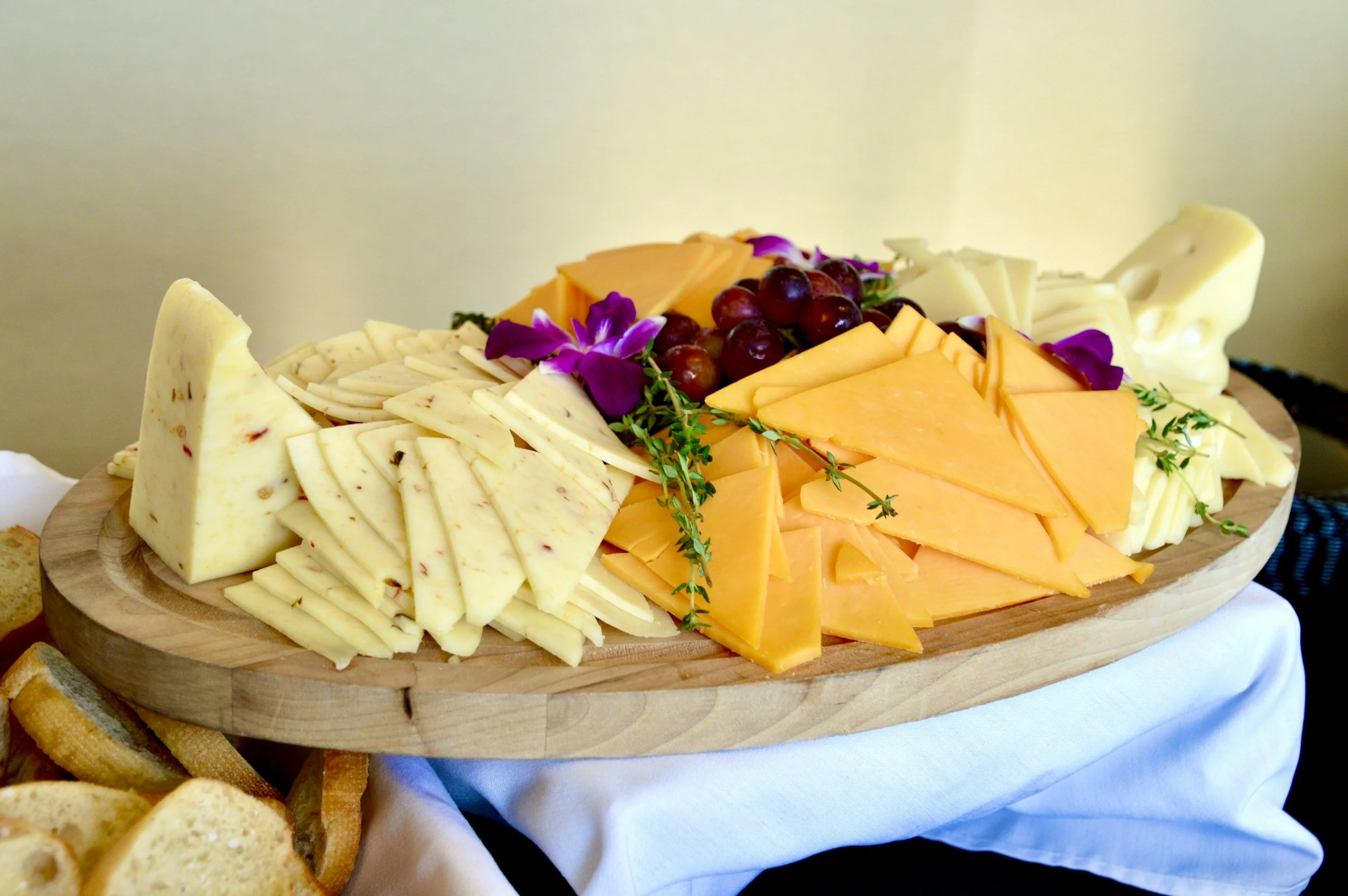
No — cheese is not bad for weight loss when eaten in reasonable portions. Cheese provides protein and fat, which can help with fullness and satisfaction, but because it’s calorie-dense, portion size matters. Here’s how cheese can fit into a balanced approach to weight loss — and when it might work against you.
Why cheese can work for weight loss
Cheese often gets labeled as “bad” because it’s higher in fat and calories, but that doesn’t automatically make it off-limits.
Here’s why cheese can still support weight loss:
It’s filling. Cheese contains protein and fat, which slow digestion and help you feel satisfied.
It can prevent cravings. A small amount of cheese can make snacks or meals feel more enjoyable, reducing the urge to keep grazing.
It pairs well with other foods. Cheese works especially well alongside fiber-rich foods like fruit, vegetables, or whole grains.
When used intentionally, cheese can actually help you feel more satisfied on fewer calories overall.
When cheese is a good choice for weight loss
Cheese tends to work best when it’s part of a planned snack or meal rather than something eaten mindlessly.
Cheese can be a smart choice if:
You need a satisfying snack that keeps you full
You’re adding flavor to a meal without needing large portions
You’re pairing it with protein, fiber, or both
You want something indulgent that still fits your goals
For many people, including cheese helps weight loss feel more sustainable.
When cheese may not help with weight loss
Cheese isn’t a problem — how it’s eaten can be.
Cheese may work against weight loss if:
Portions slowly creep up
It’s eaten frequently while distracted
It’s added on top of meals instead of replacing something else
It’s paired mostly with refined carbs without much protein or fiber
Because cheese is calorie-dense, it’s easy to eat more than intended without realizing it.
How much cheese is best for weight loss?
For most people, a reasonable portion is about 1 ounce of cheese, which is roughly:
A small handful of cubes
One slice
One cheese stick
That amount:
Adds flavor and satisfaction
Provides protein and fat
Keeps calories in a balanced range
You don’t need to avoid cheese — just aim to portion it intentionally rather than eating freely.
Which cheeses tend to work best?
Some cheeses are easier to work into a weight-loss-friendly pattern than others.
Cheeses that often work well:
String cheese or cheese sticks (built-in portion control)
Cottage cheese (higher protein, lower fat)
Feta or goat cheese (strong flavor, smaller portions)
Cheeses that are easier to overeat:
Shredded cheese eaten straight from the bag
Cheese sauces or dips
Very large portions of hard cheeses
All cheese can fit — some just require more awareness.
Balanced alternatives to cheese
If cheese doesn’t keep you full enough or you want variety, these options can work just as well:
Greek yogurt — higher protein per calorie
Cottage cheese — very filling and protein-dense
Eggs — protein-forward and satisfying
Hummus — pairs well with vegetables for volume
Different foods work better on different days — balance means flexibility.
The balanced takeaway
Cheese is not bad for weight loss
Portion size matters more than the food itself
Cheese works best when eaten intentionally, not mindlessly
Weight loss doesn’t require cutting out foods you enjoy — it works best when your choices feel satisfying and realistic.